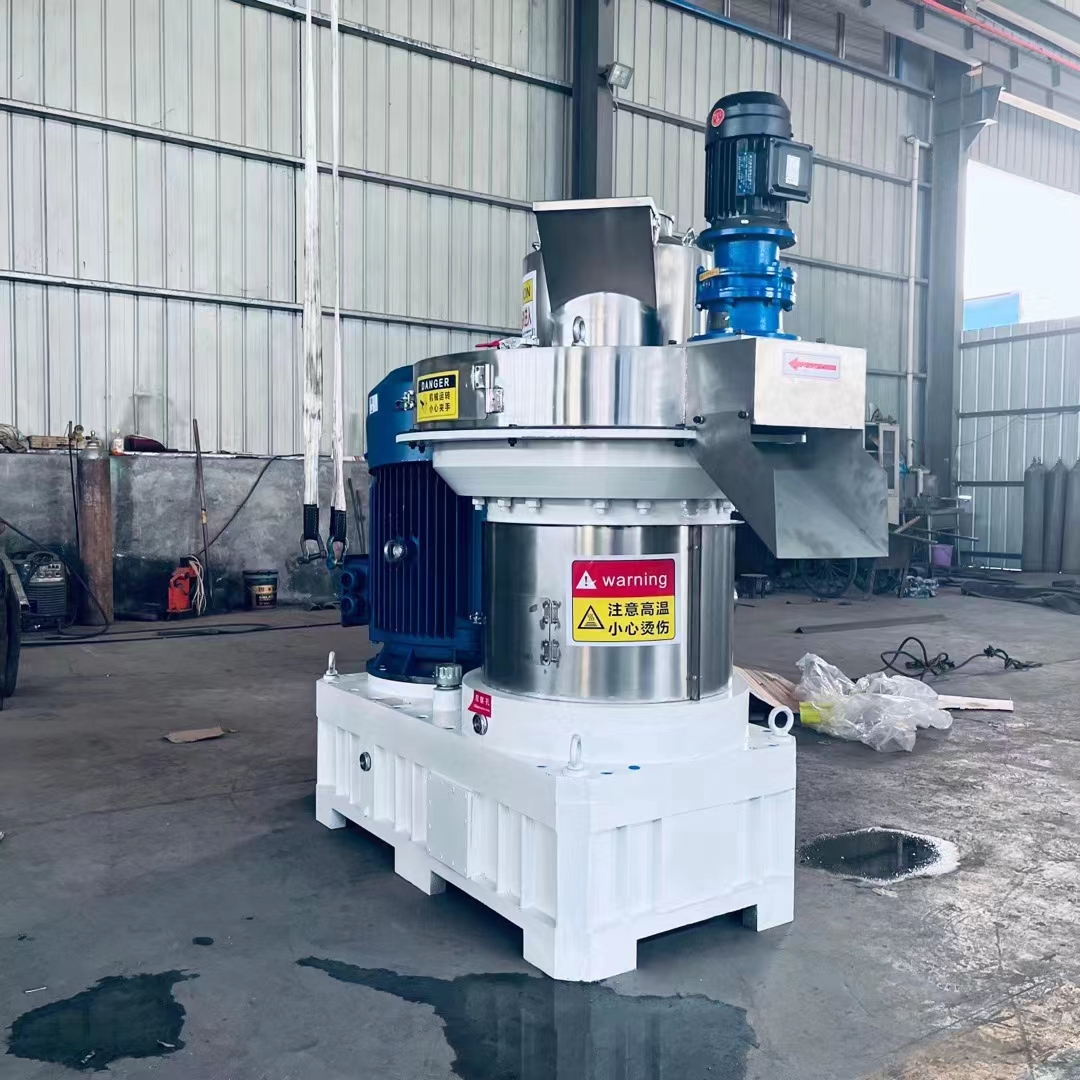
Did you know that the global fertilizer market is projected to reach a staggering $200 billion by 2025? This growth underscores the importance of efficient production methods, such as those provided by fertilizer granules making machines. However, with this expansion comes an intricate web of legal regulations that manufacturers must navigate.
The Regulatory Landscape Surrounding Fertilizer Granules Making Machines
Fertilizer granules making machines are subject to various legal and regulatory frameworks aimed at ensuring safety, environmental protection, and fair competition. These regulations often include compliance with local manufacturing standards, emissions controls, and labor laws. Additionally, companies must adhere to Conflict of Interest Policies which ensure transparency in operations and decision-making processes. Such policies help mitigate risks associated with unethical practices that could undermine public trust in agricultural products.
The Role of Dynamic Automatic Batching Systems in Compliance
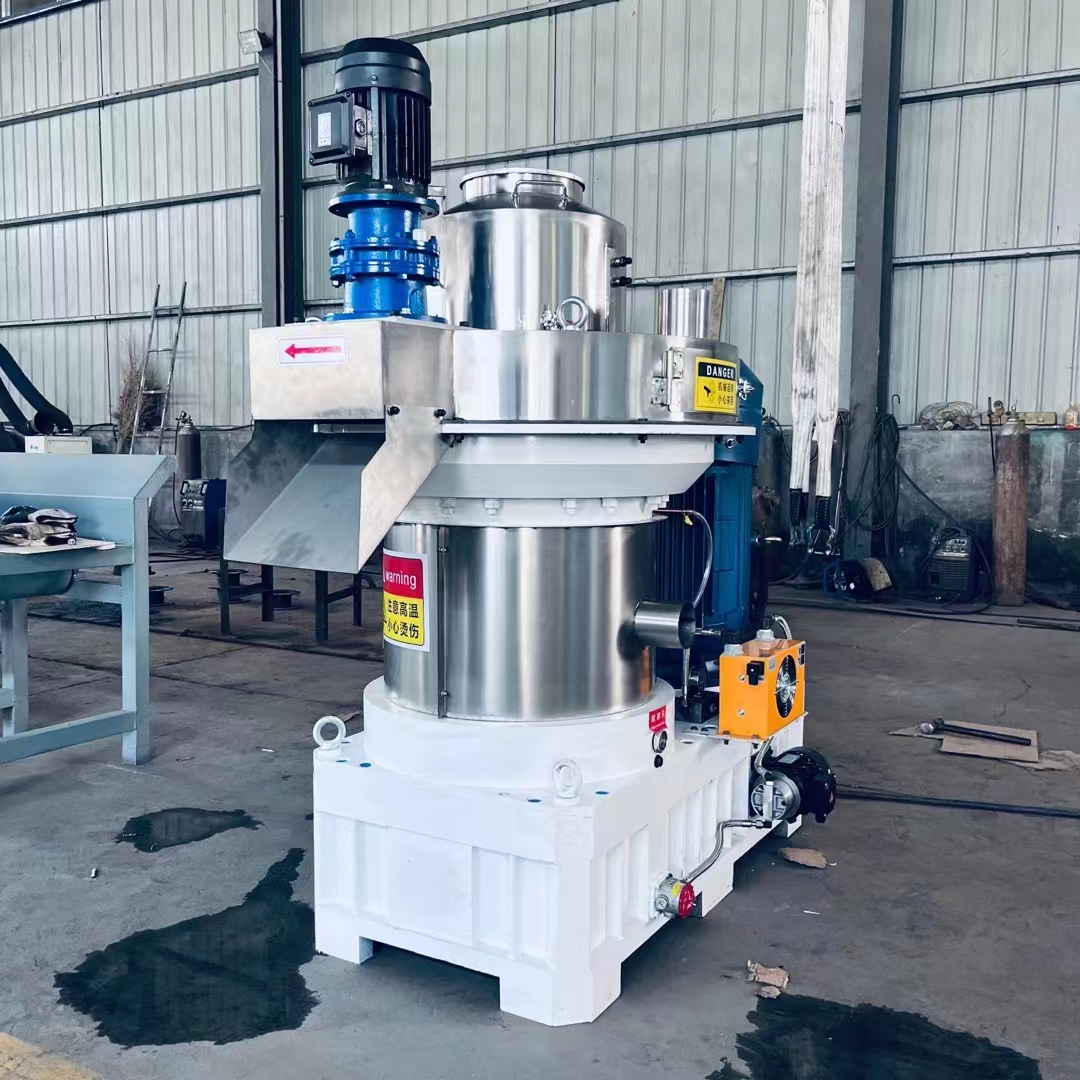
A key feature within many modern fertilizer granules making machines is the Dynamic Automatic Batching System. This system not only enhances efficiency but also plays a crucial role in adhering to Conflict of Interest Policies. By automating ingredient measurements and mixing processes, it reduces human error and potential biases during production. Furthermore, these systems can be programmed for traceability—allowing manufacturers to document every step taken during production—which aligns perfectly with compliance requirements set forth by regulatory bodies.
Xincheng’s Approach to Conflict of Interest Policies
Xincheng stands out in its commitment to maintaining robust Conflict of Interest Policies within its operations related to fertilizer granules making machines. The company implements strict guidelines that govern employee conduct when dealing with suppliers or clients involved in procurement decisions. Regular training sessions are conducted to educate staff on identifying potential conflicts before they arise while fostering an ethical workplace culture where transparency is paramount.
Conclusion
In summary, understanding the legal attributes surrounding fertilizer granules making machines is essential for any manufacturer aiming for success in today’s competitive landscape. From navigating complex regulations regarding safety and environmental impact to implementing effective Conflict of Interest Policies like those seen at Xincheng—these elements play a critical role in ensuring sustainable business practices while building consumer confidence.