Introduction — A Shop Floor Moment, Some Numbers, and the Question That Stuck
I remember walking into a family-run metal shop one humid afternoon and feeling that stale, sharp tang you only notice after a while — you know the one. In that second sentence I told the owner about a straightforward fix: a laser cutter fume extractor, and he blinked like I’d suggested a miracle. Around the country, small shops and school labs report spikes in particulate matter and VOCs during cutting runs; rough readings often show PM2.5 and smell levels that make you pull the windows down (and that’s not good for delicate joints). So what’s really keeping many of these teams from fixing the air — cost, confusion, or old habits? I’ve dug into the machines, the myths, and the shop-floor feelings, and I’ll walk you through what I found. Hold on — we’ll get into how the tech works and why it matters next.
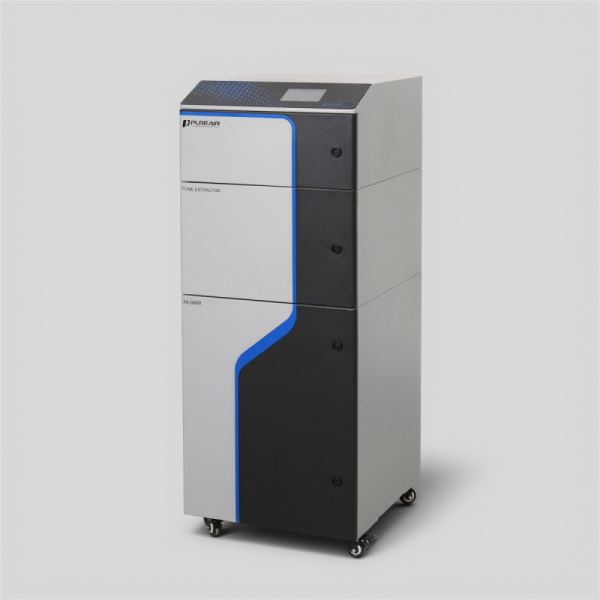
Part 2 — Where Traditional Solutions Fall Short (and the Hidden Grief)
laser cutter fume extraction gets tossed around as the obvious answer, but let me be plain: many so-called fixes barely scratch the problem. At heart, people equate an extractor with any box that pulls air. But filtration depth matters — HEPA filters capture particulates while activated carbon adsorbs VOCs — and most cheap units skip one or both. Add in undersized fans (CFM ratings that don’t match the cutter’s exhaust), leaky ducting, and you’ve got a system that looks busy but leaves the air dangerous. I’ve seen setups where the filter was labeled “HEPA” but the housing allowed bypass. That’s not just sloppy; it’s risky. Look, it’s simpler than you think: matching airflow, filter media, and capture hood design is where real gains happen.
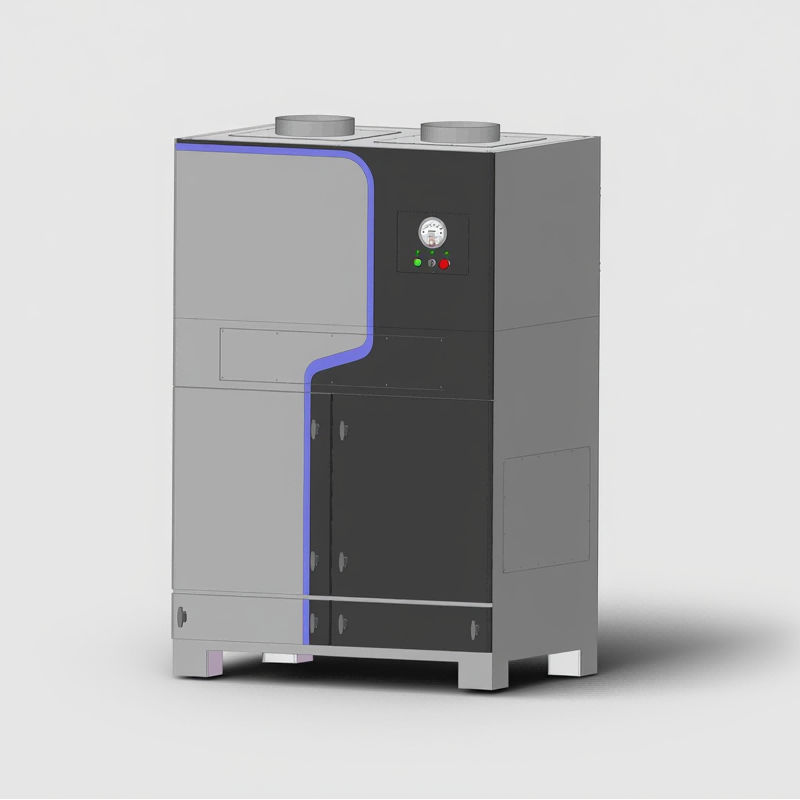
Why do standard extractors fail?
Short answer — mismatch and maintenance. A laser produces fumes with fine particulates and VOCs; if your device only targets one pollutant type, you’re trading visible smoke for invisible nasties. Operational pain points crop up too: filters clog fast, users delay replacements to save money, and control systems aren’t intuitive (so they get turned off). The result is shops tolerating a subpar system because it “sort of works.” I find that usage patterns, filter lifecycle, and simple things like negative pressure balance get overlooked. When you add components like centrifugal fans, flexible ducting, and sensor feedback, the design changes — and so do outcomes.
Part 3 — New Principles, Practical Picks, and a Simple Checklist
Looking ahead, the next wave of improvements for laser cutter fume extraction isn’t about flashy displays; it’s about systems thinking. I’m talking modular filter stacks that combine pre-filters, HEPA, and activated carbon; smart airflow control that paces CFM to job load; and easy-to-read replacement indicators. These principles cut maintenance time and keep shops safer — and they scale from a hobbyist’s benchtop unit to a production cell. Newer designs also fold in simple electronics like pressure sensors and fan speed controllers so the unit adjusts rather than relies on the user to guess. That makes life easier for shop owners and operators — and, hey, it reduces arguments about who forgot to change the filter.
What to look for next?
If you’re comparing systems, I recommend three clear metrics: 1) capture efficiency at the source (does the hood and flow actually pull fumes before they escape?), 2) combined media effectiveness (does it handle both PM and VOCs?), and 3) operational cost over time (filter life, energy use, and maintenance). Measure those and you’ll make a better choice — not just buy the loudest fan. I’ve worked with teams who cut costs up front and paid many times over later in downtime and health complaints — funny how that works, right? In short: match capacity to cutter size, insist on multi-stage filtration, and prefer units with monitoring aids. For practical options and support, I personally point folks toward trusted suppliers who stand behind their systems, including PURE-AIR.