Introduction — a short scene, a number, and a question
I once stood beside a busy packing line in Athi River and watched lids miss their marks at dawn. The assembly hummed, workers swapped shifts, and a single misaligned lid could stop three people mid-task. By one report, packaging errors cost manufacturers up to 3–5% of daily output — a small percentage that eats profit quietly. In that context, how can a lid applicator machine raise reliability without stretching capital budgets? (As we say in Nairobi, you want value that shows on the shop floor.)
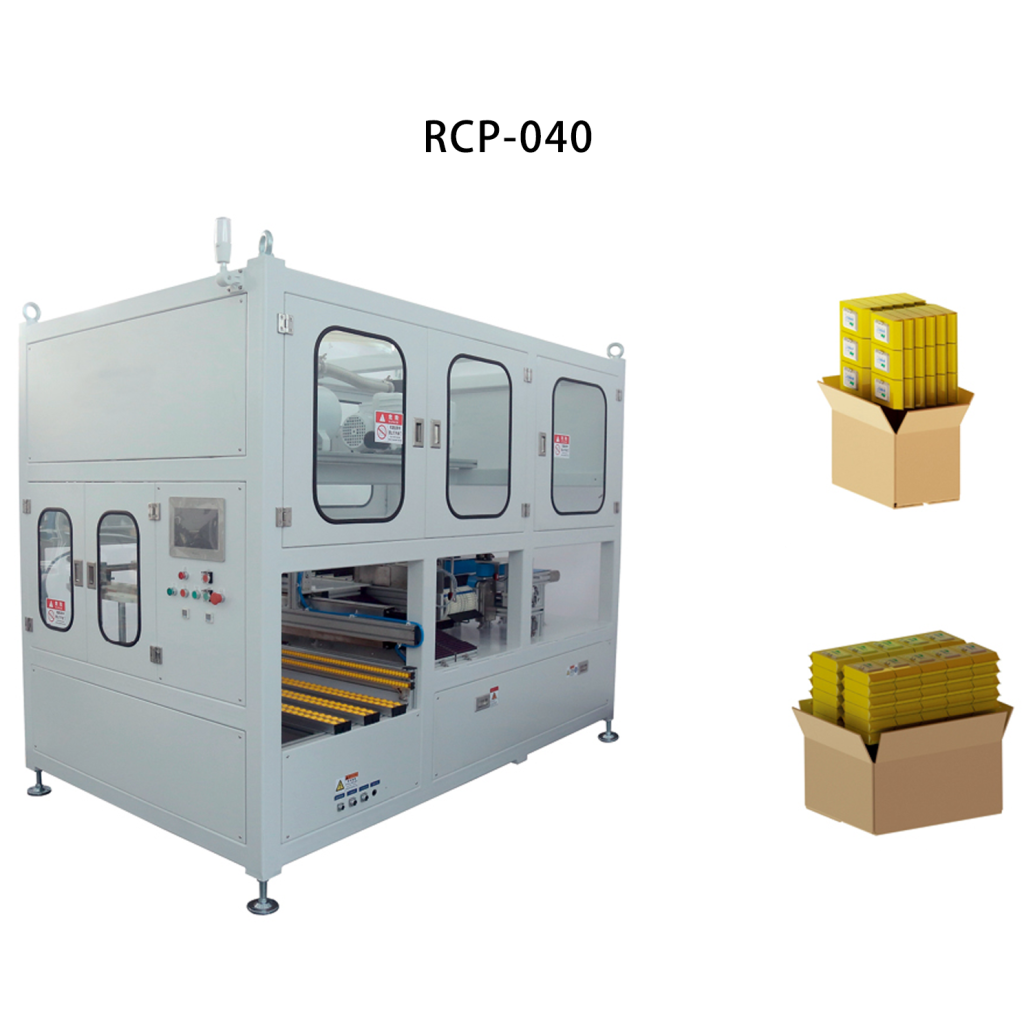
I write from hands-on experience and from conversations with engineers who test machines on real lines. I will discuss practical flaws we see, trade-offs that matter, and simple checks you can run before you buy. This piece is for engineers, line managers and owners who want clarity — and a path forward. Now, let us look under the hood and see what’s actually happening on lines like yours.
Part 2 — Where traditional systems fail and hidden pains surface
wet wipe packaging machine vendors often pitch speed and uptime, but the real trouble starts in integration. I have seen lines where a new wet wipe packaging machine arrives and the PLC mapping is not compatible, the servo motor tuning is off, and the HMI panels speak a different language. These are not exotic problems; they are everyday integration gaps that waste weeks. Look, it’s simpler than you think — a mismatch in cycle time settings and a tiny pneumatic actuator lag can create cascading jams.
Why do these gaps persist?
First, suppliers sometimes sell modular systems assuming the buyer has standard interfaces. In practice, lines vary: conveyor widths differ, pick-and-place heads are bespoke, and the factory’s power converters might not give clean power. Second, maintenance staff are often trained on one brand and then left with another. The result: repeated tweaks, spare parts stockpiles, and frustrated operators. I’ve helped teams reduce downtime by documenting interfaces, re-mapping I/O points on the PLC, and setting fixed servo profiles — simple moves, but they save shifts.
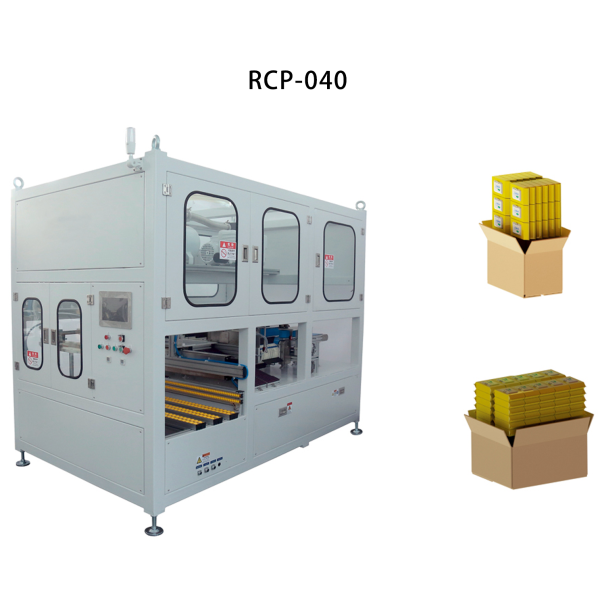
Part 3 — New principles for better lid application and a short roadmap
Looking ahead, I believe the next step is to design with interoperability and diagnostics at the centre. For lid applicator machine design I like three principles: modular control layers (so the PLC can be swapped easily), adaptive servo profiles (for consistent motion), and richer fault logging (so you fix the cause, not the symptom). When manufacturers build wet wipe packaging machine lines around these ideas, commissioning time falls and operators regain confidence. — funny how that works, right?
What to check before you commit
Check these items during a site visit: 1) Are the I/O pinouts standard or vendor-specific? 2) Can the HMI show error histories and not just “Fault 12”? 3) What are the spare part lead times? These look basic, but they predict long-term cost better than throughput numbers alone. I urge teams to test a machine under realistic load for at least one full shift — not a two-minute demo.
To wrap up, here are three practical metrics I use when evaluating systems: mean time to recover (MTTR), first-pass yield on lid placement, and spare-part availability (days). Use those numbers to compare offers, and you’ll avoid common traps. I’ve written this from direct experience and from sitting with operators in dusty halls. If you want dependable lid application that won’t surprise you, start with these checks — then press the buy button with confidence. ZLINK